
Key Trends Driving Multi-Sport Facility Development in India
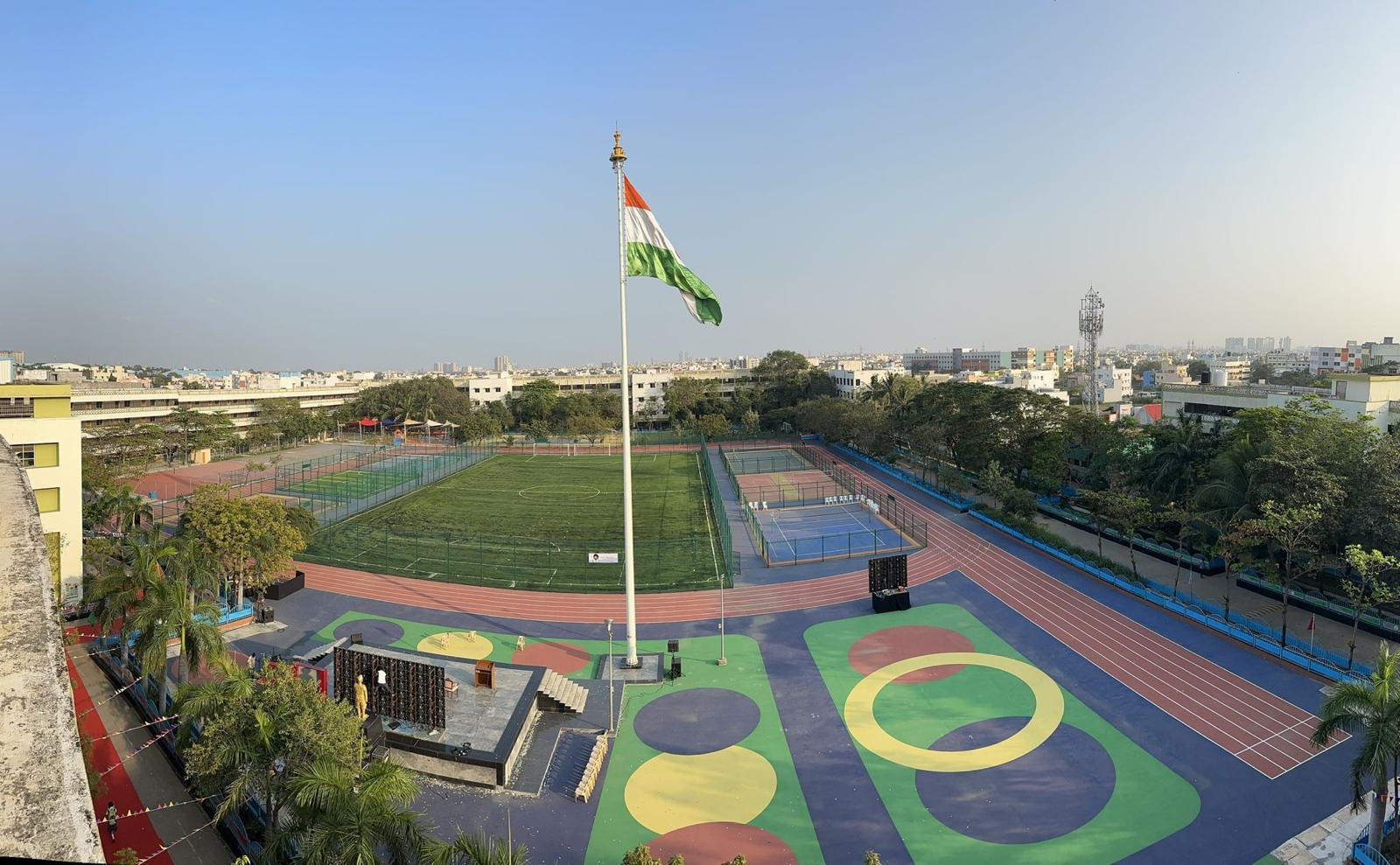
India is building sports facilities at a pace that would have been hard to imagine a decade ago. Schools are putting up proper courts. Academies are expanding. City planners are including multi-sport complexes in residential and commercial developments. The demand is real, and it is growing quickly across the country.
At Dayal Sports, we have been part of this shift, working on infrastructure projects across India and Asia. We see these changes happening on the ground every day. The eight trends covered here are not predictions. They are things that are already happening and are likely to shape how India builds and runs sports facilities for years to come.
At a Glance: 8 Key Trends in Indian Multi-Sport Facility Development
| # | Trend | What It Means for Facilities |
| 1 | Government investment in sports infrastructure | More public funding for courts, tracks, and stadiums |
| 2 | Rise of private sports academies | Demand for professional-grade flooring and equipment |
| 3 | Multi-sport over single-sport design | One facility serves many sports without separate builds |
| 4 | Demand for international-standard surfaces | Players and clubs want BWF, FIBA, and ITF-certified floors |
| 5 | Sustainable and eco-friendly construction | Green materials and recyclable surfaces becoming the norm |
| 6 | Urban sports facility boom | Cities integrating courts into apartments and commercial zones |
| 7 | Technology in facility management | Lighting controls, booking systems, and smart infrastructure |
| 8 | Growing appetite for competition hosting | Venues being built or upgraded to host official tournaments |
1. Government Investment Is Unlocking New Projects
Schemes like Khelo India have directed serious money toward grassroots sports infrastructure across states. Districts that previously had no proper sports facilities are receiving funding for courts, running tracks, and multi-sport grounds. State governments are also running their own programs independently, particularly in Tamil Nadu, Maharashtra, Kerala, and Karnataka, where sports development has become a visible policy priority.
For facility developers and institutions applying for these grants, the funding usually comes with a condition: the surfaces and structures need to meet specified quality standards. This is pushing facilities away from cheap concrete or basic flooring toward certified surfaces that will pass inspection and last the intended lifespan of the project. Dayal Sports works with institutions and contractors navigating these requirements, supplying surfaces that meet the quality benchmarks tied to government scheme approvals.
2. Private Academies Are Setting a New Standard
Ten years ago, a city like Chennai or Pune might have had a handful of serious badminton or basketball academies. Today, the number has multiplied significantly. Parents are willing to pay for quality coaching, and quality coaching requires quality infrastructure. Academies that train players for state and national competitions cannot afford to have their players developing technique on floors that behave unpredictably.
This is driving demand for professional-grade wooden flooring, certified acrylic courts, and proper lighting across a tier of facilities that previously made do with basic surfaces. Dayal Sports installs Grade A maple wooden courts that are BWF and FIBA approved, meeting the same specifications as competition venues. When an academy trains its players on the right surface from day one, those players are not adjusting to a different floor when they step into a tournament.
3. Multi-Sport Design Is Replacing Single-Sport Thinking
Land in Indian cities is expensive and increasingly scarce. Building separate facilities for badminton, basketball, volleyball, and futsal on the same campus is simply not viable for most institutions. This has pushed facility designers toward multi-sport layouts where the same floor, the same hall, and the same infrastructure serve multiple sports through court line markings, movable nets, and flexible equipment.
PP interlocking tiles and PVC Hova courts have become popular choices for multi-sport indoor halls because they handle the demands of different sports on the same surface without requiring separate flooring for each. The same court can be marked for badminton in one session and reconfigured for basketball an hour later. Dayal Sports designs and supplies flooring systems specifically for multi-sport use, with line-marking configurations for badminton, table tennis, tennis, volleyball, basketball, and futsal on the same surface.
4. International Standards Are No Longer Just for Elite Venues
There was a time when BWF approval for a badminton court or ITF certification for a tennis surface was something only national-level venues cared about. That is changing. Club-level academies, school competitions, and district tournaments are increasingly requiring facilities to meet published standards before they are selected as hosts.
Dr. Yuva Dayalan and partners have developed more than a dozen floor systems that have passed quality tests with international and Olympic standard accreditations. Every Dayal flooring product goes through professional performance testing by the National Sports Quality Supervision and Inspection Centre. For facilities that want to be considered for competition hosting in the near future, investing in certified surfaces now avoids the cost of replacing them later.
5. Sustainability Is Becoming a Real Requirement
Green building standards are entering sports infrastructure in India, partly because large institutional clients now include environmental compliance in their procurement criteria and partly because there is genuine awareness that a facility built to last twenty years should not be built with materials that cause harm over that period.
All Dayal Sports products are made with at least 30 percent recycled materials and zero virgin polyester. PP interlocking tiles are 100 percent recyclable at the end of life. Our silicone PU flooring does not contain harmful chemical components and meets national hygienic standards for indoor air quality. For institutions that need to satisfy a sustainability audit or simply want to build responsibly, these certifications are worth examining before choosing a flooring partner.
6. Cities Are Integrating Sports Into Everyday Spaces
Multi-sport courts are appearing inside gated residential communities, on rooftops of commercial buildings, in school playgrounds, and in public parks. Urban developers have realized that a well-equipped sports space increases the value and appeal of a property, and municipal bodies are including sports infrastructure in township planning requirements in several states.
These urban installations need surfaces that are compact to install, good-looking, durable under mixed and sometimes casual use, and low-maintenance since there is rarely a dedicated groundskeeper. PP interlocking tiles and acrylic courts are well-suited for these urban settings. They can be laid on existing concrete without major construction, they hold up under everyday use, and they do not require specialist equipment to keep clean.
7. Facility Technology Is Moving Fast
Smart lighting controls, court booking apps, access management systems, and performance tracking equipment are all being integrated into new sports facilities. Anti-glare LED lighting is central to this shift. LED fixtures with smart controls allow facility managers to adjust light levels for different sports, schedule lighting to reduce energy costs during off-peak hours, and monitor fixture health remotely.
Dayal Sports has been developing stadium LED lighting solutions for outdoor and indoor sports fields for over a decade. Our anti-glare LED fixtures are engineered for even coverage across the playing area, with flicker-free output that works cleanly with broadcast cameras and sports analysis equipment. For facilities that are being built with the next ten years in mind, the lighting infrastructure installed today needs to support the technology coming in the next five.
8. More Venues Want to Host Competitions
Hosting an official tournament, whether at the district, state, or national level, brings visibility, revenue, and credibility to a facility. There is growing interest among academies, schools, and private sports clubs in upgrading their infrastructure specifically to qualify as competition venues. This means investing in certified surfaces, proper lighting levels, adequate seating, and the structural clearances each sport requires.
Dayal Sports handles all these elements. We supply certified flooring, anti-glare LED lighting, ergonomically designed stadium seating, and pre-engineered building structures for sports halls. If your facility has competition hosting as a goal, we can help you plan an upgrade that gets you there.
For more product details, visit www.dayalssports.in | For contact details, visit www.dayalssports.com