
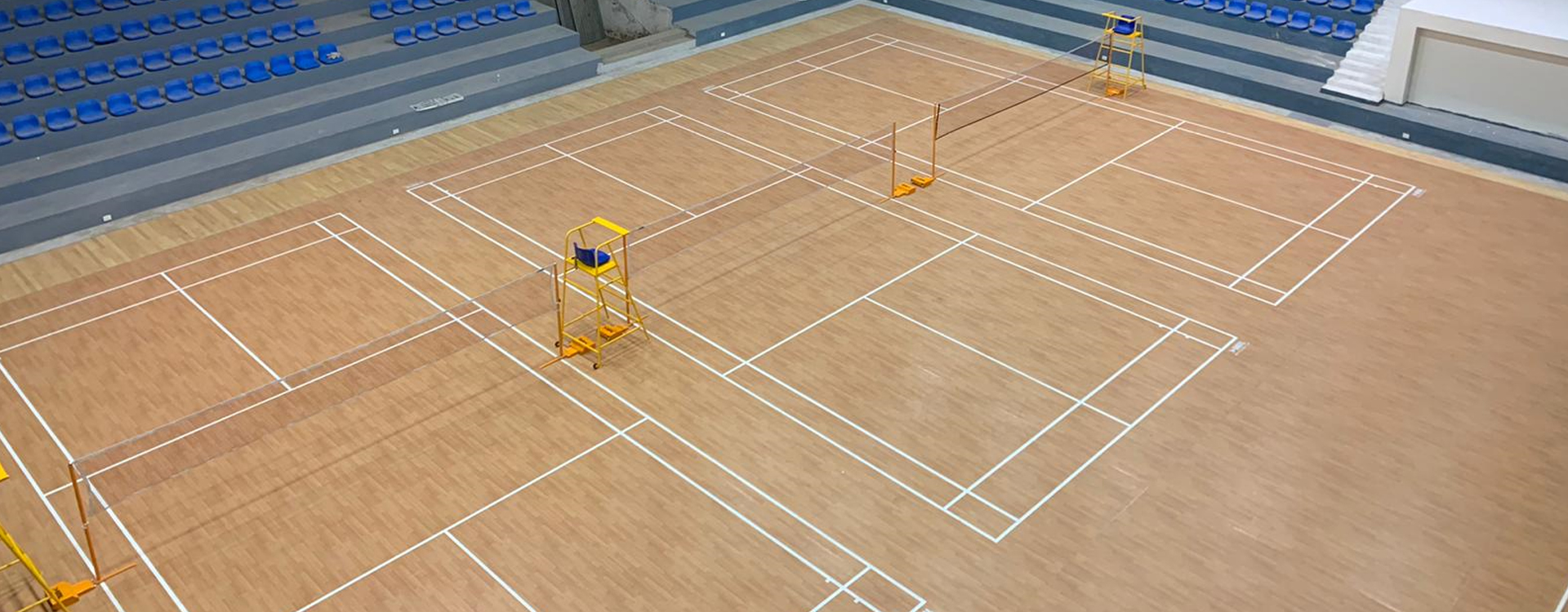
Sports Flooring Cost Guide: Budgeting for Long-Term Performance
Planning a sports facility is exciting, but flooring decisions can quickly become confusing. Whether you are setting up a school gym, upgrading a community hall, or building a professional training space, flooring is one of the most important investments you will make. The real cost is not just about the material you choose. It includes installation, maintenance, durability, and how well the surface performs over time.
Understanding these factors early can help you avoid unexpected expenses later.
What Influences Sports Flooring Costs?
The cost of sports flooring depends on three main factors: material type, area size, and usage level.
Hardwood flooring, especially maple, is widely used for basketball courts and multi-purpose indoor halls. It offers a classic look and excellent playing performance. However, it is usually one of the more premium options in terms of price.
Synthetic flooring comes in several varieties. Polyurethane systems are popular for their shock absorption and are typically priced in the mid-range. Vinyl flooring is more budget-friendly and works well for schools and community centers. Rubber flooring is also a practical choice, known for its durability and comfort.
Each material has its place. The right choice depends on how frequently the space will be used and what activities it will support.
Installation Costs Matter More Than You Think
Many people focus only on material pricing and forget about installation. In reality, installation can form a large part of the total budget.
Some flooring systems are quicker and easier to install. Roll-out vinyl, for example, is generally less complicated compared to hardwood flooring, which requires skilled labor and precise finishing.
Subfloor condition is another important factor. If the base surface has cracks, moisture issues, or uneven areas, additional preparation will be required. This may include leveling, repairing, or adding moisture barriers. In older buildings, structural adjustments may also be necessary.
Access to the site can also affect the cost. A ground-floor facility with easy entry is simpler to manage than an upper-floor location with limited space for moving materials and equipment.
Quality Makes a Long-Term Difference
Not all flooring products within the same category are equal. Higher-grade hardwood typically offers better stability and finish quality. While it costs more initially, it often delivers better long-term performance.
The same applies to synthetic options. Commercial-grade flooring designed for heavy daily use is more durable than lighter versions intended for occasional activity.
Choosing the lowest-priced option may seem attractive at first. However, early wear and frequent repairs can increase expenses over time.
Maintenance and Ongoing Care
Flooring should be evaluated not only for purchase cost but also for maintenance requirements.
Hardwood floors require regular cleaning and periodic refinishing. Over the years, recoating and full refinishing will be necessary to maintain appearance and performance.
Synthetic surfaces are generally easier to maintain. Routine sweeping and mopping are often enough. Still, high-traffic areas may show signs of wear and may need patch repairs or partial replacement.
Simple preventive steps can reduce maintenance expenses. Entrance mats help keep dust and moisture outside. Protective pads under heavy equipment prevent surface damage. Using the correct cleaning products also extends the life of the floor.
Lifespan and Replacement Planning
Different materials offer different service lives.
With proper care, hardwood flooring can last for decades. It will require refinishing along the way, but the base structure remains strong. Synthetic flooring usually lasts between 10 and 20 years, depending on usage and maintenance.
A school gym that operates during limited hours will experience less wear than a professional academy with daily training sessions. Understanding usage patterns helps in selecting the right product.
Warranty coverage is another point to review carefully before finalizing a decision.
Hidden Expenses to Keep in Mind
Some costs are not obvious during the early planning stage.
Moisture testing before installation is essential. Skipping this step can result in adhesive problems and expensive repairs later. Climate control during installation may also be necessary to ensure proper curing and performance.
If you are replacing an existing floor, removal and disposal costs should be included in the budget. Certain materials require special handling.
Temporary closure of the facility during installation can also affect schedules and revenue. Proper planning helps minimize disruption.
Focus on Long-Term Value
The best decision is not always the cheapest one. It is better to consider the total ownership cost over the expected lifespan of the flooring.
A slightly higher initial investment in a durable surface can reduce maintenance, repairs, and replacement costs in the future. Comfort and shock absorption also play a role in athlete safety and performance.
Appearance matters too. A well-finished sports floor enhances the overall look of the facility and creates a positive impression for students, athletes, and visitors.
Planning with the Right Guidance
A clear budget should include materials, installation, maintenance, and a contingency amount for unexpected adjustments. Comparing multiple quotations helps you make a confident choice.
For facilities working within limited budgets, phased upgrades can be a practical solution. Priority areas, such as main courts, can be completed first, followed by secondary spaces later.
Working with experienced specialists makes the process much easier. Dayal sports understands the practical needs of schools, institutions, and sports centers. With proper guidance and realistic planning, facilities can choose flooring solutions that balance performance, durability, and cost.
Investing wisely in sports flooring ensures long-term functionality, safety, and value. Careful planning today leads to fewer concerns tomorrow and a facility that continues to serve athletes effectively for years.