
1. Sports Flooring for Modern Sports Facilities
Posted at Feb 27, 2026

Walk into any world-class sports facility today, and the first thing you notice, even before the lights, the equipment, or the crowd, is the floor. It's the surface your athletes train on every single day. It absorbs every jump, every sprint, every lateral cut, every hard landing. It's the foundation that protects your players. And in modern sports, where performance margins are razor-thin, and injury prevention is everything, the floor underneath your feet matters more than most people ever stop to think about. That's what this guide is about.
2. Why Professional Sports Flooring Matters
Posted at Feb 27, 2026

Most people walk into a sports facility and notice the court lines, the lighting, and the equipment. What they don't think about is what's beneath their feet, and yet it's the one thing that touches every athlete, every step, every game.
3. How Sports Infrastructure Impacts Training
Posted at Feb 27, 2026

Ask any serious coach what separates a good training environment from a great one, and the answer rarely starts with coaching philosophy or nutrition plans. It starts with infrastructure. Infrastructure isn't the background. It's the foundation. That's what this guide is about.
4. Indoor vs Outdoor Sports Flooring:
Posted at Feb 27, 2026

Choosing sports flooring comes down to one core question: where will athletes actually be playing? Indoor and outdoor environments make completely different demands on a surface, and the wrong choice wastes money, shortens the floor's lifespan, and creates real safety risks.
5. PU vs Acrylic Sports Flooring:
Posted at Feb 27, 2026

Two surfaces dominate most sports court conversations in India: PU (polyurethane) and acrylic. Both are widely used, both look professional, and both will get you a far better result than bare concrete. But they're built for completely different environments, and picking the wrong one is an expensive mistake that's difficult to undo.
6. Wooden Sports Flooring:
Posted at Feb 27, 2026

Walk into any professional badminton hall, basketball arena, or volleyball stadium and look down. You'll almost always see wood. Not concrete. Not vinyl. Not rubber. Wood. Dayal's 5-layer maple wooden floor is a multi-layer suspension system, each layer doing a specific job
7. PVC Sports Flooring Explained:
Posted at Feb 27, 2026

If you're building a sports facility in India and wooden flooring feels out of reach, either in cost or complexity, PVC sports flooring is likely the next conversation you're going to have.Here's everything you need to know about PVC sports flooring: what it is, what it costs, how long it lasts, and where it works best.
8. Interlocking Sports Flooring:
Posted at Feb 27, 2026

That's exactly what interlocking sports flooring makes possible. It's one of the most practical flooring innovations available for schools, clubs, housing societies, and community facilities. You snap the tiles together, mark the court lines, and you're ready to play. No adhesive. No curing time. No mess.
9. Artificial Turf vs Natural Grass:
Posted at Feb 27, 2026

Natural grass looks and feels great when it's in good condition. The problem is keeping it that way. In India's climate, with intense heat, monsoon rain, and the heavy demands of schools and clubs, natural grass spends more time struggling than performing.
10. Running Track Surfaces:
Posted at Feb 27, 2026
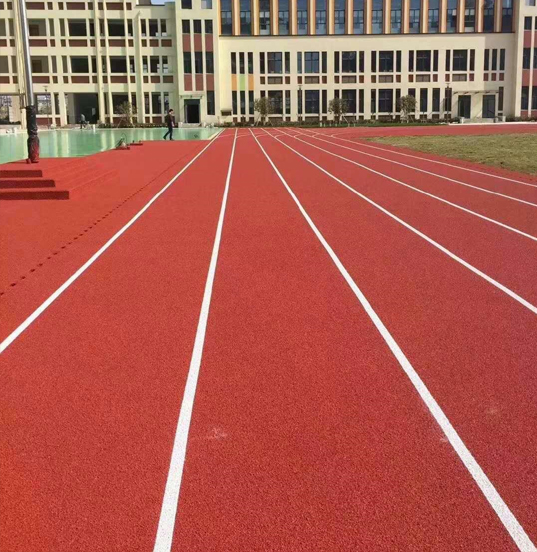
Running track is one of the most used pieces of infrastructure in any school or sports complex. Athletes run on it every day, sprinters, long-distance runners, students during PE, and coaches during warm-ups. That daily use puts enormous demand on the surface.