
Towel Grip vs PU Grip: Which Is Better for Competitive Badminton?
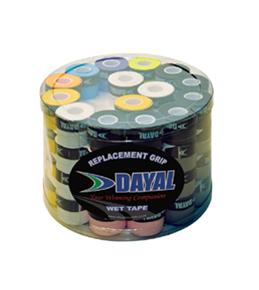
Your grip is the only point of contact between you and your racket. Everything else, your swing, your technique, your footwork, means very little if the racket slips in your hand at the wrong moment. Choosing the right grip type is a small decision that makes a surprisingly big difference in how you play. Dayal Sports carries quality grip options built for players who take their game seriously, so you have good choices to work with from the start.
Two Grips, Two Very Different Feels
Towel grips and PU grips are the two most common types used in badminton today. They look different, feel different, and work best in different situations. Understanding what each one actually does will help you decide which suits your style and your playing conditions better.
What Is a Towel Grip?
A towel grip is made from soft, absorbent cotton material. It feels thick and cushioned in the hand, and it soaks up sweat very effectively. Players who have naturally sweaty palms often swear by towel grips because they maintain tackiness even when the hands are very wet.
The Feel of a Towel Grip
The texture of a towel grip is soft and slightly rough, which gives it a natural, secure feel. Many players describe it as holding a wrapped cloth rather than a smooth handle. This extra thickness also makes the grip slightly bigger, which some players find more comfortable, especially those with larger hands.
Where Towel Grips Fall Short
Towel grips absorb sweat well, but they also hold onto it. After extended play, a towel grip can become damp and heavy. In humid conditions or long matches, a soaked towel grip starts to feel uncomfortable and loses some of its initial grip quality. They also wear out faster than PU grips and need to be replaced more frequently.
What Is a PU Grip?
PU stands for polyurethane. A PU grip is a thin, smooth synthetic material that wraps tightly around the handle. It feels sleek and slightly tacky straight out of the packaging, and it gives the hand a very clean, responsive contact with the racket.
The Feel of a PU Grip
PU grips are noticeably thinner than towel grips. They add very little bulk to the handle, which means the racket feels closer to its natural shape in your hand. Players who rely on precise wrist movement and quick grip adjustments during rallies tend to prefer this for that exact reason.
How PU Grips Handle Sweat
PU grips do not absorb sweat the way towel grips do. Instead, they repel moisture to some degree and stay relatively dry during play. However, in very intense matches or for players with heavily sweaty hands, a PU grip can become slippery. Many players counter this by using a sweatband on their wrist to reduce how much moisture reaches the grip in the first place.
Durability: Which One Lasts Longer?
PU grips generally last longer than towel grips in terms of material integrity. A towel grip breaks down faster because the cotton fibres wear out with repeated use and washing. PU grips retain their shape and tackiness for longer, though they do eventually lose their surface texture and need replacing. For competitive players who play frequently, replacing either grip type on a regular basis is just part of racket maintenance.
Which One Do Competitive Players Actually Use?
At the competitive level, you will see both grips in use, but PU grips are more common among tournament players. The thinner profile allows for faster finger adjustments between shots, which matters a lot in high-level singles and doubles play. Towel grips remain popular among players who sweat heavily and find that no amount of wristband use keeps a PU grip dry enough.
Climate Plays a Role
In a country like India, where humidity and heat are factors in most indoor facilities, sweat management is a real concern. Players in Chennai, Mumbai, or any coastal city often find towel grips more practical during the summer months. In cooler or air-conditioned environments, PU grips perform well and stay comfortable throughout a session.
Can You Layer Both?
Yes, and many players do exactly this. Some players wrap a PU grip first as a base layer and then add a thin towel overgrip on top. This gives them the slight thickness and sweat absorption of a towel grip while keeping the structure of a PU base underneath. It is a practical solution for players who like elements of both options.
Replacing Your Grip Regularly
Regardless of which type you choose, replacing your grip regularly is non-negotiable for serious players. A worn grip causes you to grip the racket tighter than necessary, which leads to arm fatigue and sometimes elbow pain over time. A fresh grip keeps your hold light and controlled, which is exactly what good badminton technique requires. Dayal Sports stocks smart grips that are designed for consistent feel and durability across regular use.
So, Which One Should You Choose?
If you sweat a lot during play or compete in warm, humid conditions, a towel grip is likely your better option. If you prefer a thin, clean feel on the handle and play in cooler or well-ventilated spaces, a PU grip will serve you well. If you are unsure, try both on different rackets and see which one feels more natural after a full session of play. Your hand will tell you fairly quickly which one it prefers.
The Grip Is Part of Your Game
A lot of players treat the grip as an afterthought, something they change only when the old one falls apart. But your grip affects how firmly you hold the racket, how much control you have over delicate net shots, and how comfortably you play through a long match. It is worth giving it the same thought you give to strings and racket selection.
For more product details, visit www.dayalssports.in. For contact details and to speak with the team, visit www.dayalssports.com.